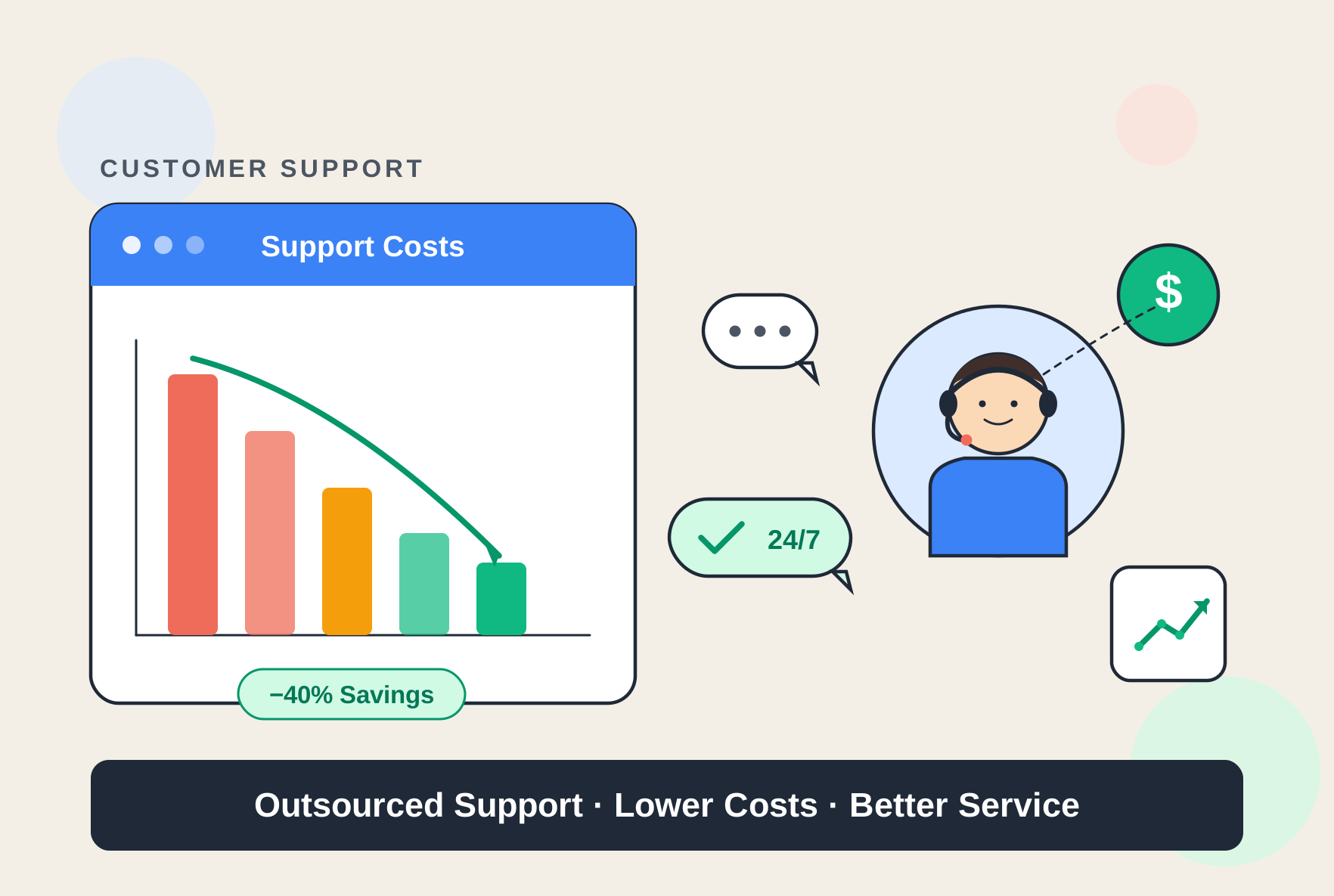
The Real Cost of In-House Support Teams
Customer support is essential for growth, but building an in-house team is expensive, slow, and difficult to scale. Salaries, hiring, training, tools, management, and turnover quickly turn support into one of the highest operational costs for online businesses. Outsourcing customer support offers a smarter, more flexible way to deliver excellent service while keeping expenses predictable and controlled.
Many businesses underestimate how expensive an internal support department can become. The visible salary is only a portion of the total cost.
When you hire in-house agents, you also pay for:
- Recruitment and onboarding
- Training and ongoing coaching
- Office space and equipment
- Software and helpdesk tools
- Sick leave, vacations, and turnover
- Management and quality assurance
These hidden costs often double or even triple the expected budget. For growing companies, this makes scaling support risky and financially stressful.
Pay Only for What You Actually Need
One of the biggest advantages of outsourcing is predictable monthly pricing. Instead of paying full-time salaries regardless of workload, businesses can opt for flexible packages that match actual demand.
This means you can:
- Start with a small team and grow gradually
- Increase coverage during busy seasons
- Reduce capacity during slower months
- Avoid long hiring cycles
You only pay for the support coverage you truly use.
No Hiring, Training, or HR Costs
Recruitment takes time and money. Posting jobs, reviewing candidates, interviewing, onboarding, and training can take months before a new agent is ready to help customers.
Outsourced teams remove this entire process.
Experienced agents are already trained, managed, and ready to start quickly. This eliminates HR costs and allows businesses to launch support within days rather than months.
Lower Infrastructure and Tool Expenses
Running a support department requires technology:
- Helpdesk platforms
- Live chat tools
- Knowledge base software
- Analytics and reporting systems
- Quality assurance processes
Outsourcing providers already have these tools and workflows in place. Instead of buying and managing expensive software, businesses benefit from a fully equipped support system included in one monthly cost.
Scale Without Financial Risk
Business growth often creates support challenges. More customers mean more questions, tickets, and conversations.
With in-house teams, scaling means:
- Hiring more staff
- Buying more tools
- Expanding management capacity
Outsourced teams can scale quickly without these risks. Additional agents can be added when needed, allowing businesses to grow confidently without committing to permanent overhead.
Reduce Customer Churn and Lost Revenue
Slow responses and missed messages cost businesses money. Customers expect fast answers, and delays often lead to abandoned carts, lost leads, or canceled subscriptions.
Outsourced teams provide:
- Faster response times
- 24/7 availability
- Consistent service quality
Better support improves retention, increases conversions, and prevents revenue loss — turning support into a growth driver instead of a cost center.
Predictable Budget, Better Planning
Financial predictability is crucial for growing companies. Outsourcing transforms support from a variable and unpredictable expense into a fixed monthly investment.
This makes budgeting easier and helps leadership focus on growth, marketing, and product development instead of staffing challenges.
Final Thoughts
Outsourced customer support helps businesses reduce hiring, infrastructure, and operational costs while improving service quality and scalability. It allows companies to deliver excellent support without the financial burden of building large internal teams.